Story of the Bus Boycott
About BBB
What is the Story of the Bristol Bus Boycott, 1963?
Timeline
May 1963West Indians & the Black Englishman
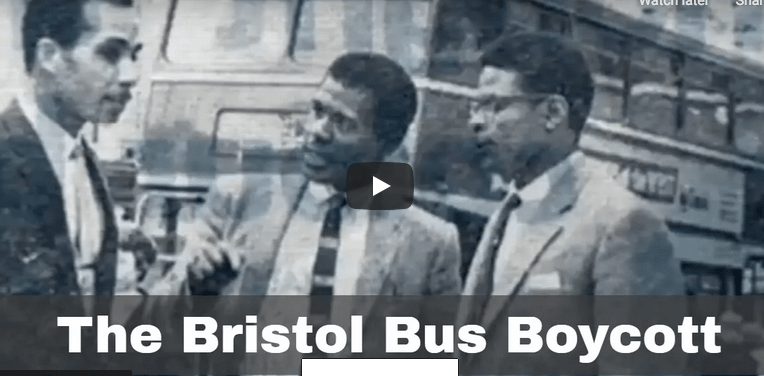 A resistance gathers
In May 1963 a group of young West Indians, Roy Hackett, Guy Bailey, Prince Brown and Owen Henry, led by British born Paul Stephenson organised a boycott against the Bristol Omnibus Company for refusing to employ Black and Asian bus crews.
April 1963Resistance Builds
 Protests are organised
As well as organising protest days when the public were persuaded not to take the bus, they also held meetings and marched through the city. .
May 1963Media baby
 Powering the Media
Paul Stephenson understood the power of the media and the story was reported both locally and nationally.
May 1963Upping the Ante
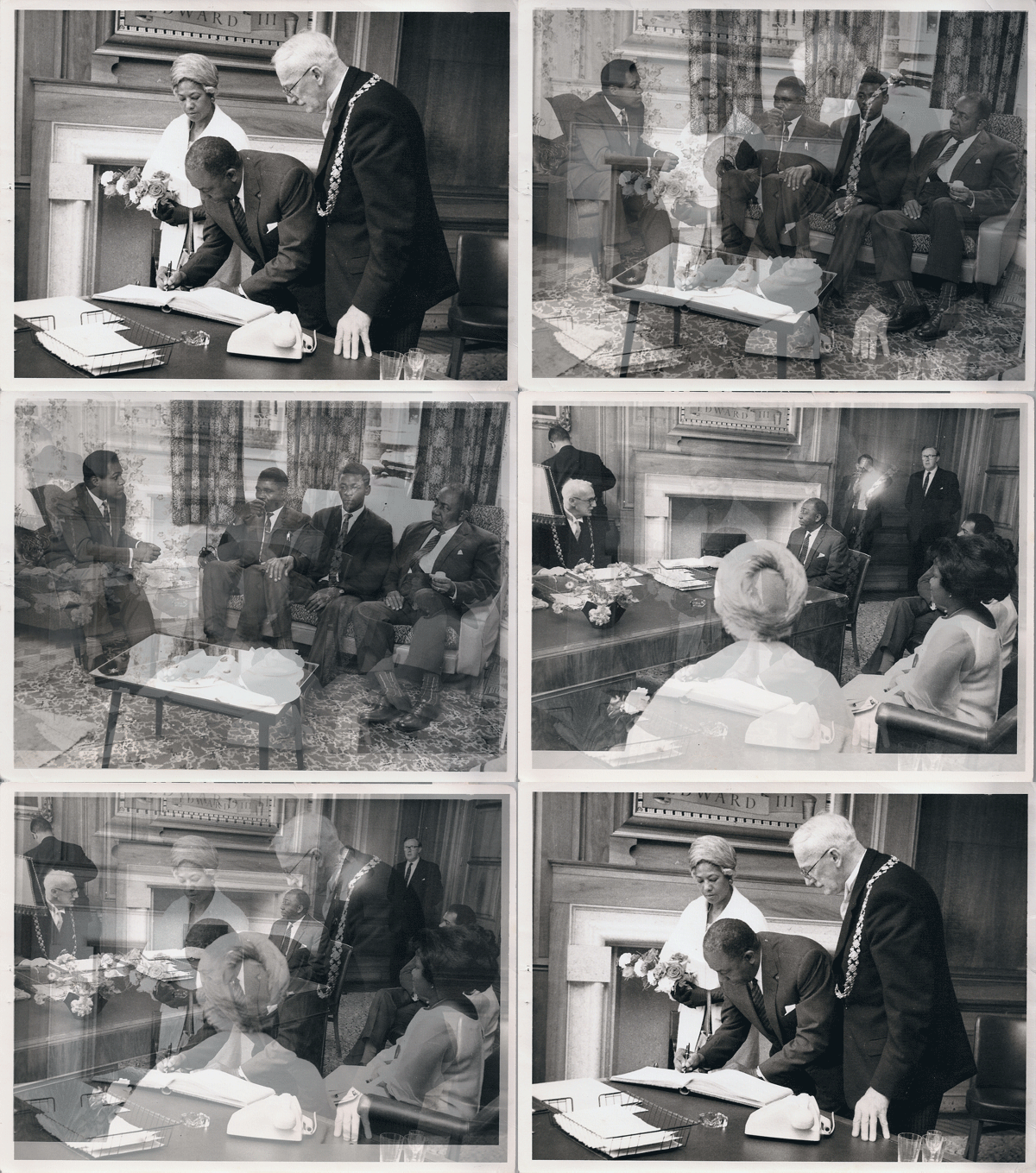 Friends in high places
The protest gathered momentum. The Transport and General Workers Union (TGW) did not support the camapign and the Bishop of Bristol came out against it but the cricketer and Trinidadian Ambassador Sir Learie Constantine got involved with the campaign and lost his job because of it.
July 1963Fair Play
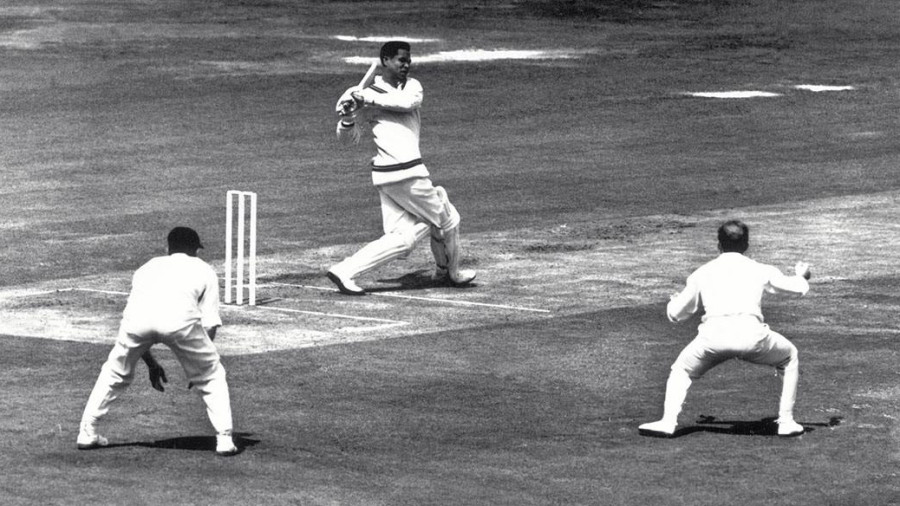 Just not cricket
It was a crucial time for the Black community in Bristol, as the protest went on in the city streets the West Indian Cricket team were winning against England at the cricket ground.
August 1963Victory
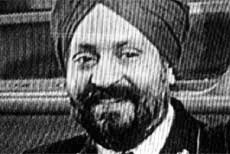 Raghbir become first black conductor
On the 27th August the Bus Company held a general meeting and the ban on Black and Asian bus crews was repealed. Raghbir Singh was the first Coloured bus conductor.
1965Race Relations Act
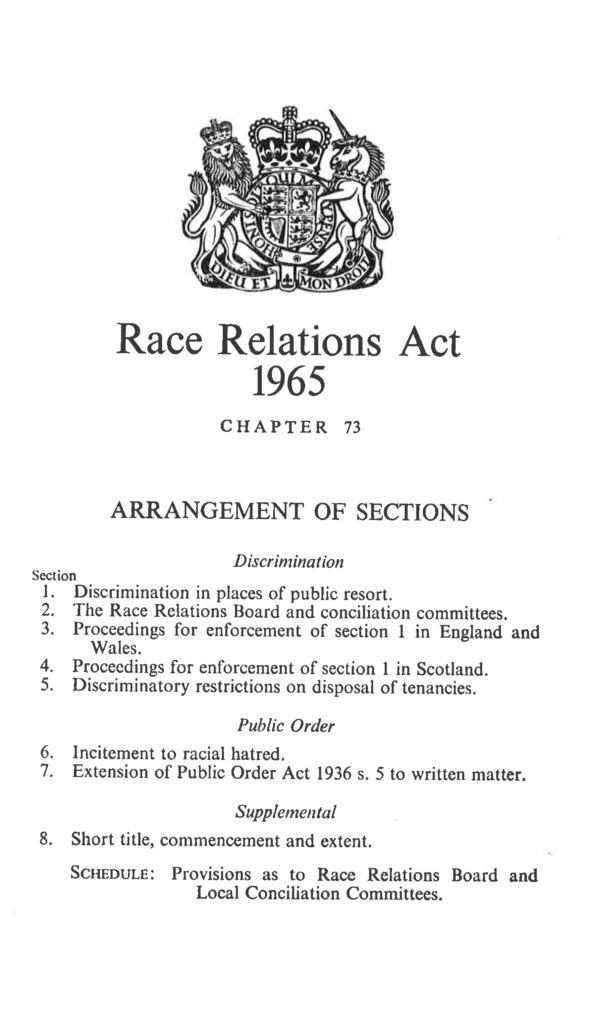 Racial Discrimination outlawed in UK
The victory of this small group was an important element in Race Relations Act which was instigated only two years later in 1965 and made it illegal to discriminate against Coloured people in public places.